


-

Add: HeBei ShengShi HongBang Cellulose Technology CO.,LTD.
-

Email
13180486930@163.com -

CONTACT US
+86 13180486930
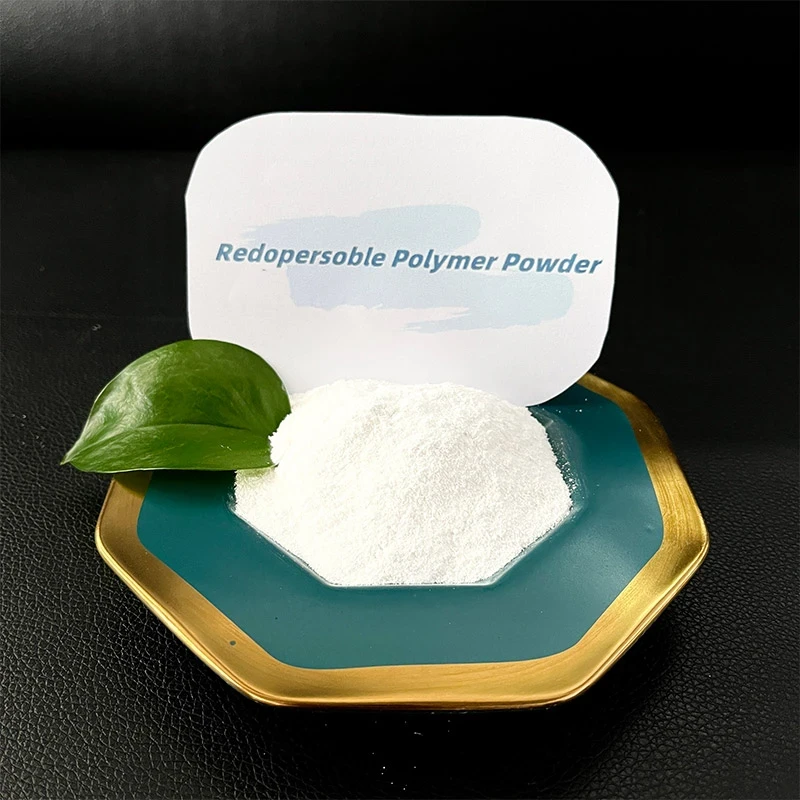


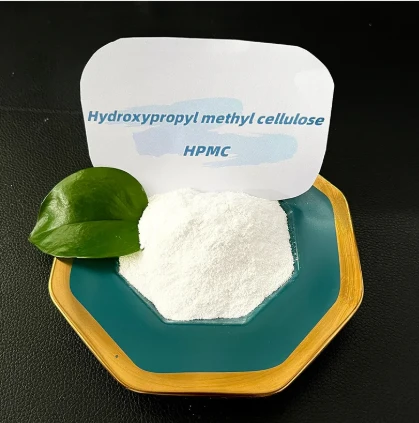


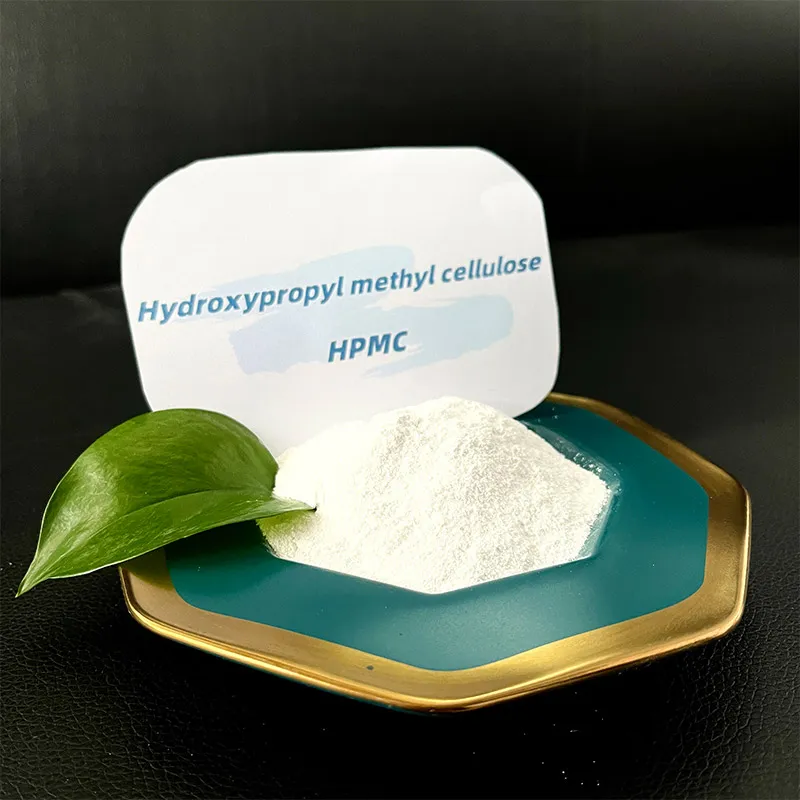
Hydroxypropyl methylcellulose (HPMC), also known as hypromellose, is a versatile compound used in various industries due to its valuable properties. With a unique blend of stabilizing, thickening, and film-forming abilities, it stands out especially in the pharmaceutical, food, and construction sectors. Understanding its features, applications, and benefits can offer a deeper insight into why HPMC is a crucial component in many formulations today. One of the distinguishing qualities of HPMC is its origin. Derived from cellulose, a natural polymer, it combines nature's reliability with chemical innovation. Through a process of etherification, cellulose undergoes transformation, enhancing its solubility and thermal stability—key factors contributing to its widespread usage. Because it is non-toxic, biodegradable, and shows excellent compatibility with a wide range of substances, it is esteemed for its safety profile, ensuring trust and reliability in its applications. In the pharmaceutical realm, HPMC plays a pivotal role as an excipient. It is commonly used as a binder in tablets, where it helps in sustaining the release of active ingredients, making medications more effective over longer periods. Its use in ophthalmic solutions is another notable example, where HPMC acts as a lubricant, providing relief from dry eyes. This versatility demonstrates its therapeutic potential, enhancing the efficiency and efficacy of pharmaceutical preparations. The food industry also capitalizes on the remarkable characteristics of HPMC. It acts as a thickener, stabilizer, and emulsifier in various food products, from sauces and dressings to baked goods and dairy items. Its ability to maintain moisture and improve texture without altering the taste makes it invaluable, contributing both to product consistency and consumer satisfaction. what is hydroxypropyl methyl cellulose Further endorsing its multi-industry prevalence is HPMC's role in construction. Here, it is integral to the formulation of many modern building materials. Used in cement renders, gypsum products, and tile adhesives, HPMC improves workability and adhesion while reducing water retention. These properties enhance the durability and longevity of construction applications, confirming its importance in structural integrity. Moreover, the resilience of HPMC in varying temperatures—retaining its properties from freezing to boiling points—adds to its adaptability and reliability in different environmental conditions. As global standards call for more environmentally friendly and efficient materials, HPMC aligns perfectly with these needs. As a biodegradable substance, it provides an environmentally conscious option for companies seeking sustainable solutions, further cementing its status as a preferred choice in manufacturing. In conclusion, hydroxypropyl methylcellulose is more than a mere chemical entity; it embodies the intersection of safety , efficacy, and functionality. Whether utilized in pharmaceuticals, food products, or construction, HPMC stands as a testament to innovation in material science. Its integration into various sectors underscores its necessity and versatility, making it an irreplaceable ingredient in modern industry applications. As industries continue to evolve, the reliance on materials like HPMC that deliver consistent quality while adhering to safety and environmental protocols will undoubtedly increase, paving the way for future advancements.
- 40000tons

Production
- 20+years

Experience
- 5000+㎡

Acreage

-
Hydroxypropyl methyl cellulose (HPMC) serves as a multifunctional polymer , gaining prominent attention across various industries due to its versatile nature. This formidable compound is a crucial component in pharmaceuticals, food products, personal care items, and construction materials. Its extensive applicability is owed to its unique properties, such as forming films, retaining moisture, and acting as a thickening agent. In pharmaceuticals, HPMC is praised for its role as an excipient in drug formulation. Its ability to control the release of active ingredients makes it invaluable for sustained-release medication. Clinical expertise confirms that HPMC’s inert behavior and biocompatibility ensure it doesn't interfere with drug efficacy, making it a go-to solution for developing efficient, patient-friendly pharmaceutical products. Research reports from credible institutions have consistently demonstrated that its consumption is safe, which garners trust among consumers and professionals alike. From an expertise standpoint, the construction industry benefits significantly from HPMC’s superior performance as an adhesive and thickening agent in tile adhesives, cement renders, and plasters. Its inclusion enhances workability, water retention, and open time, critical parameters in achieving durable and high-quality finishes. Renowned civil engineering manuals and authoritative construction experts frequently cite HPMC as a key ingredient in modern building materials, underscoring its authoritative stance in construction practices. The food industry's adoption of HPMC is equally robust, where it functions as an emulsifier and stabilizer. In gluten-free and vegetarian formulations, HPMC is highly valued for its ability to mimic the texture and structural properties that gluten provides. Professional food technologists often assert that this cellulose derivative is a game changer in creating palatable and appealing food products without compromising nutritional benefits. hpmc hydroxypropyl methyl cellulose In personal care, HPMC’s film-forming capabilities make it a primary component in shampoos, lotions, and creams. It offers moisture retention, enhancing the sensory feel and stability of cosmetic products. Dermatological studies endorse the incorporation of HPMC in skin care formulas for its hypoallergenic properties, fortifying its reputation for safety and effectiveness. Experience continues to reinforce HPMC's reliability across these domains. As companies have shifted towards more sustainable practices, HPMC has emerged as an environmentally friendlier alternative to synthetic chemicals, being biodegradable and ethically sourced from cellulose. Through decades of consistent application and research, experts have cemented its role as both a high-performance ingredient and a benchmark of integrity in product formulation. The trustworthiness of HPMC is not just anecdotal but statistically significant. Extensive laboratory testing and market analysis showcase its consistent quality and conformity to stringent international standards. This ensures that manufacturers and consumers can rely on HPMC without reservations about safety or performance, securing its place as a cornerstone in diverse product lines. As industries further explore innovative applications, the future of HPMC remains bright, backed by a rich foundation of experience, expertise, authority, and trustworthiness—qualities that continue to drive its global appeal and usage in product innovation.
-

Retained eye comfort is often a top priority for individuals dealing with dry eyes. Among the myriad of products available, the Retaine HPMC Lubricant Eye Drops in a 0 .3 fl oz bottle stand out as a remarkable solution. Crafted with precision, these eye drops are designed to provide relief, improve comfort, and promote overall eye health. The essence of Retaine HPMC's effectiveness lies in its unique formulation. Hydroxypropyl methylcellulose (HPMC) is the main active ingredient, celebrated for its exceptional lubricating properties. As an ophthalmologist who has been practicing for over two decades, I've had the opportunity to witness a variety of treatments for dry eyes. Through empirical observations and patient feedback, HPMC-based eye drops consistently emerge as a front-runner for symptom relief. From a scientific perspective, HPMC is a viscoelastic polymer that mimics the natural lubricants found in the tear film. In simpler terms, it acts as a barrier and shield for the eye, reducing irritation while maintaining moisture. The biocompatibility of HPMC with the ocular surface significantly minimizes the risk of adverse reactions, making it suitable for a wide range of users, including those with sensitive eyes. Beyond its scientific formulation, the practical benefits of the Retaine HPMC Lubricant Eye Drops cannot be understated. This product's specific focus on delivering sustained relief sets it apart. Each 0.3 fl oz bottle is compact enough to carry conveniently in a pocket or purse, ensuring accessibility throughout the day. This is particularly beneficial for individuals with demanding routines or those who work in arid environments where dry eye symptoms can quickly escalate. Furthermore, Retaine HPMC does not contain preservatives. This is a crucial consideration, especially for long-term users. Preservative-free formulations help to prevent potential long-term damage to the tear film and ocular surface, which can be an issue with other drops containing preservatives. This aspect reinforces the product's safety and efficacy, which are paramount for maintaining trust among its users. retaine hpmc lubricant eye drops 0.3 fl oz Personal testimonials and user experiences bolster the product's reputation as well. Many users have expressed satisfaction with the immediate soothing effect upon application, noting a substantial decrease in the frequency of usage due to its long-lasting relief. Such testimonials highlight the product's ability to enhance quality of life for those affected by chronic dry eye syndrome. From an authority standpoint, several eye care professionals recommend Retaine HPMC as part of a comprehensive management plan for dry eyes. This recommendation often stems from the professional's firsthand experience with patient outcomes and the reliability of HPMC in clinical settings. Trust is further established through regulatory approvals and certifications. The Retaine HPMC Lubricant Eye Drops adhere to stringent manufacturing standards, ensuring each bottle meets high-quality benchmarks before reaching consumers. This commitment to quality not only aligns with industry standards but also reassures users of the product's safety. In conclusion, the Retaine HPMC Lubricant Eye Drops offer a combination of scientific innovation, practical design, and validated outcomes that make them an exceptional option for those struggling with dry eyes. The expertise behind its formulation, the authoritative endorsement from eye care professionals, and the trust it builds through consistent performance leave an indelible mark in the vast landscape of eye care products. As we continue to navigate through daily challenges, having a reliable and effective solution at hand reinforces the significance of maintaining optimal eye health.
advantages
-

200000 Viscosities
Excellent product
We can produce pure products up to 200,000 viscosities
-

40000 tons
High yield
We don’t stop production all year round, and the annual output can reach 40,000 tons
-

24 hours
Quality service
We provide 24-hours online reception service, welcome to consult at any time
———— Inquiry Form
Schedule A services
-
 methocel_f4m
Oct . 25, 2025
HPMC Dextran is the innovative addition to the pharmaceutical excipients' domain that is capturing s -
 hydroxypropyl_methylcellulose_excipient
Oct . 25, 2025
The Impact of HPMC E5 LV in Various Industries Hydroxypropyl Methylcellulose (HPMC) is a versatile a -
 polyacrylonitrile_powder
Oct . 25, 2025
The Growing Importance of PP Fiber Concrete in Modern Construction In the ever-evolving landscape of


